Civic Spaces

All articles on Civic Spaces

Projects

Who I Am Who We Are (Kenya Cultural Centre) - Who I Am Who We Are

video-thumbnail Watch on YouTube

Inspired by the notion that today’s world reacts a reality both multiple and unique, Who I Am, Who We Are aims at creating adequate spaces and conversations for personal reflection on relevant themes about Kenya at 50 - present and future. 

Vimeo Video

video-thumbnail Watch on Vimeo

A web documentary, which embarks on a visually and emotionally gripping journey into Sudan and South Sudan shedding some light onto the personal stories of those at ground level.
Our Publications on Civic Spaces

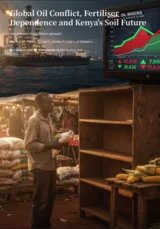
global-oil-conflict-fertiliser-dependence-and-kenyas-soil-future_cover-page.png

Global Oil Conflict, Fertiliser Dependence and Kenya’s Soil Future

Dossier
This dossier shows how disruptions in oil markets ripple through fertiliser supply chains and into agriculture, increasing production costs and exposing countries like Kenya to global instability. Because most synthetic fertilisers are derived from fossil fuels and imported, Kenya’s farming systems remain tightly linked to energy markets and geopolitical dynamics.

Combatting Global Plastic Pollution

Policy Paper
By 2025, more than 12 billion tonnes of plastic had been produced globally – and plastic pollution is not gender neutral. Our publication Combatting Global Plastic Pollution presents feminist perspectives for a gender-just approach to the plastic crisis. 
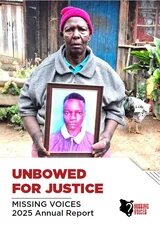
Unbowed for Justice MV Report 2025

Unbowed for Justice

The 2025 Missing Voices Annual Report documents 131 cases of extrajudicial killings and enforced disappearances in Kenya, reflecting an overall decline in violations compared to 2024. However, this apparent progress masks a worrying trend: a sharp rise in police killings and continued concerns about the use of excessive force, particularly during periods of public protest.

In It Together

Toolkit
The Feminist Resilience Toolkit brings together strategies from feminist activists across five continents. It shares practical exercises on well-being, digital security, leadership, and funding. Case studies show how movements resist repression and build collective strength.
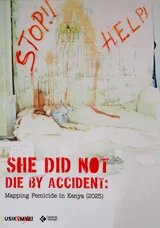
She Did Not Die by Accident _6852.

She Did Not Die by Accident

Report
At least 220 women and girls were killed in Kenya in 2025, most by people they trusted, and often after seeking help. The Femicide Report 2025 shows that these deaths were not accidents but the result of ignored warning signs, social silence, and systemic failure. Ending femicide requires naming it, tracking it, and acting decisively to protect women before violence becomes fatal.
All publications on Civic Spaces