
Article
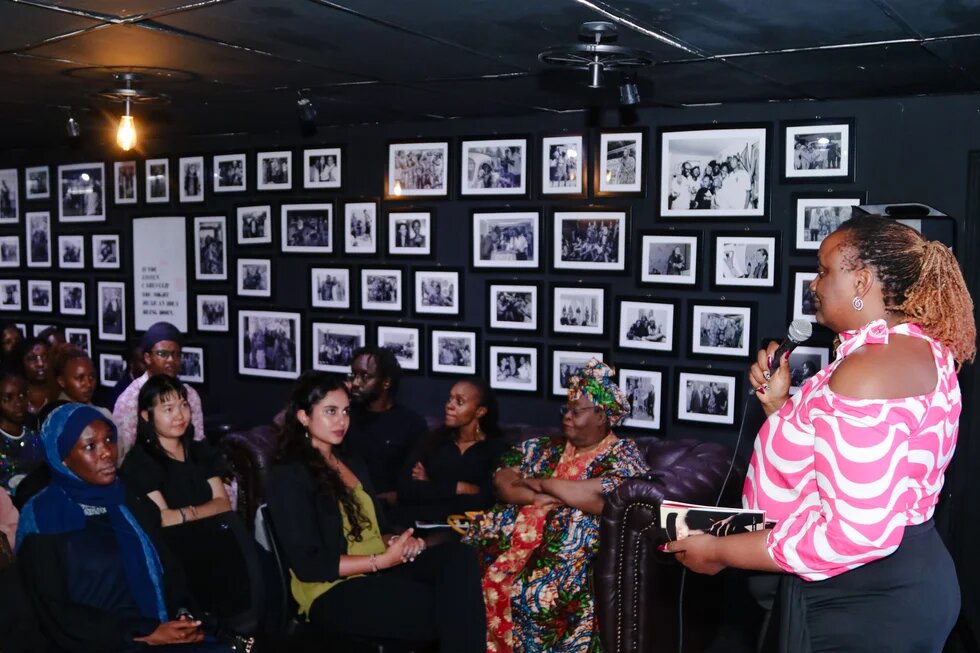
MASKAN II is an immersive art installation on femicide in Kenya, produced by Usikimye and Creatives Garage and curated by multidisciplinary artist Thayù. Building on the first MASKAN exhibition of 2025, the second edition returns at a time when women continue to be killed and children continue to disappear.

The exhibition is accompanied by a handbook that provides context for the work, guiding audiences through the stories, themes and artistic choices behind each installation. It documents the thinking behind the artworks while helping audiences engage more deeply with the wider social and institutional conditions surrounding femicide and the disappearance of children in Kenya. At its heart, the handbook seeks to ensure that those affected are remembered as people — with names, relationships, dreams and unfinished futures — rather than reduced to statistics or headlines.
Rather than presenting femicide through statistics and headlines alone, MASKAN II asks audiences to remember the people behind them. Through installation, sound, film, text and participation, the exhibition explores what violence leaves behind: grief, silence, unanswered questions, interrupted rituals, delayed justice and the memories carried by families and communities.
The exhibition brings these questions to life through a series of installations exploring different dimensions of gender-based violence and disappearance. In My Thoughts and Rites of Passage examine the social expectations placed on women around marriage, endurance and what it means to be a "good wife". Who Will Save Me? confronts violence within relationships and homes, while Social Media examines the continued harm caused through online harassment, victim-blaming and public speculation.
Other installations focus on children who have disappeared, the futures stolen through violence and the prolonged grief experienced by families waiting for justice. 10,581 uses thousands of sheets of paper to represent missing children, while Letters to My Future Self reflects on the dreams, relationships and experiences that victims never had the opportunity to fulfil. The Court of Silence turns attention to the impact of delayed justice on families left waiting for answers.
A recurring concern throughout MASKAN II is what happens when a person's life becomes a headline and then fades from public memory. What Will They Say About You?, Nyama Quarter and We Refuse to Be Statistics deliberately shift the focus from how someone died to how they lived — restoring names, memories, personalities and relationships to people who are too often reduced to case numbers and news reports.
The exhibition also confronts the indignity with which victims can be treated in death. Usikojoe Hapa examines the use of waste sites and other hidden spaces to dispose of bodies, while Njia ni Mawili uses the familiar doorway to question the assumption that home is always a place of safety. Mirror Without a Face then turns the gaze back towards the visitor, asking them to consider the person behind the anonymous headline.
At the centre of MASKAN II is the belief that remembering is an act of resistance. The exhibition does not attempt to recreate violence. Instead, it creates a space to confront what remains after it and to question the ways society remembers — or forgets — those lost to violence.
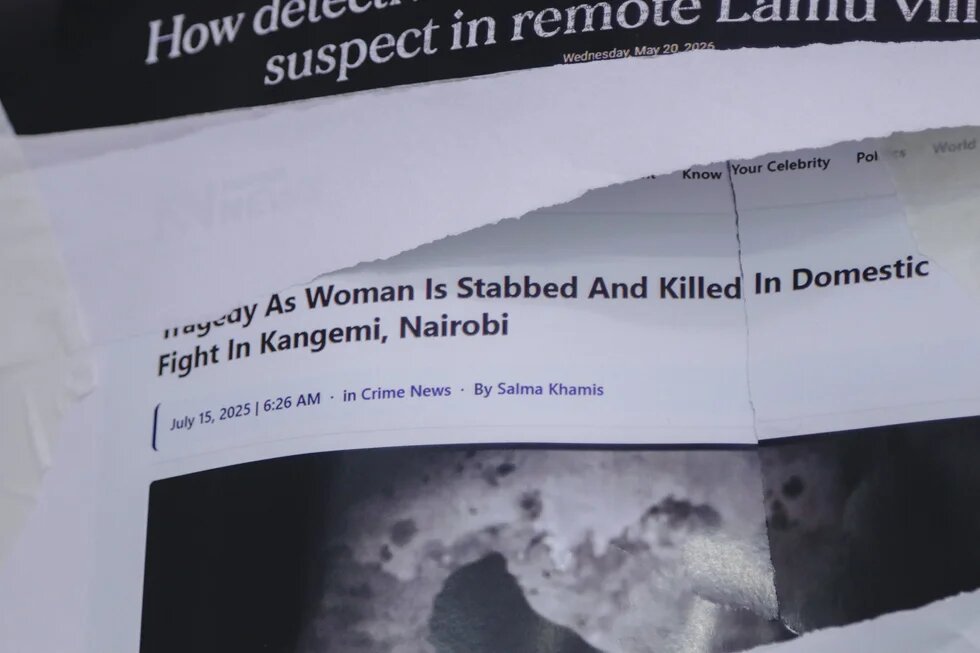
For curator Thayù, MASKAN began as an exhibition about femicide but gradually became something larger: an exhibition about memory, unfinished futures and the refusal to let people disappear twice — first through violence, then through forgetting.
Through the exhibition and its accompanying handbook, MASKAN II invites audiences to look beyond the circumstances of death and remember the lives that came before it: the people who laughed, loved, worked, made plans, raised families and imagined futures.
MASKAN II is a call to remember, to bear witness and to refuse indifference.


