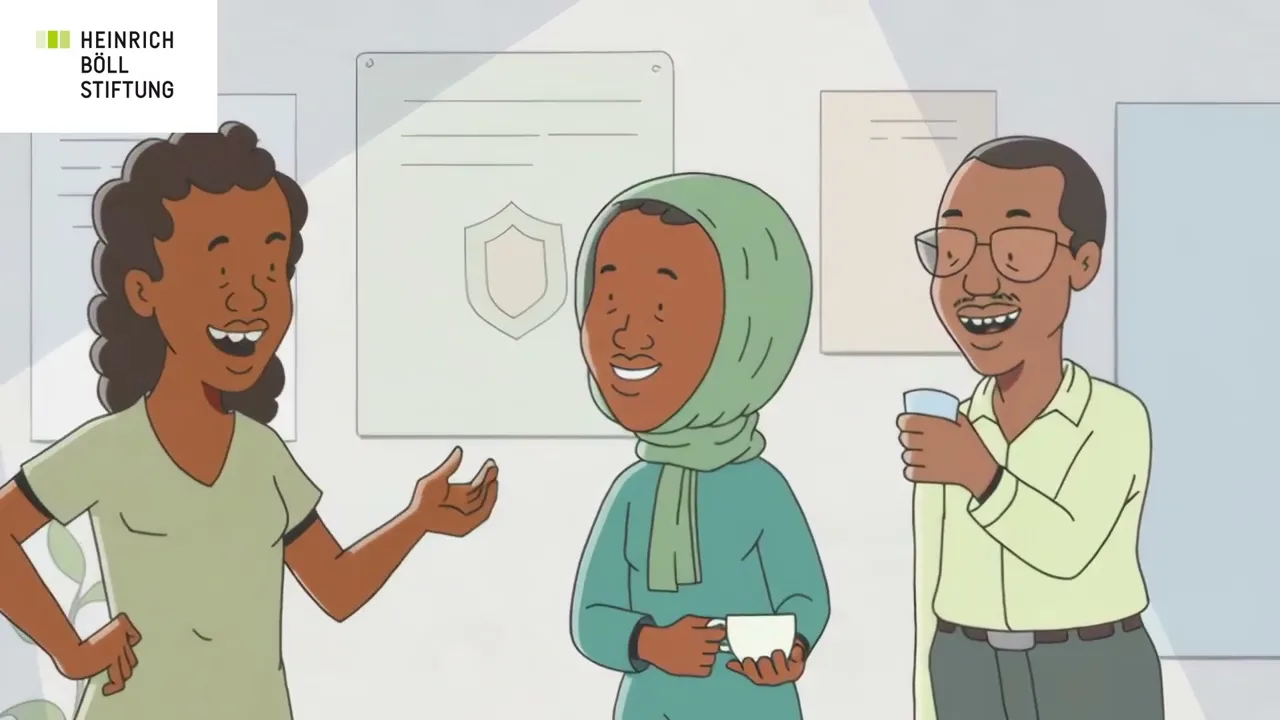
PSEAH
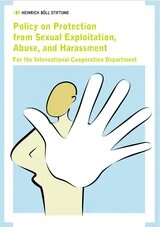
PSEAH is our Policy for Protection against Exploitation, Abuse and Sexual Harassment, designed and implemented as part of our work.
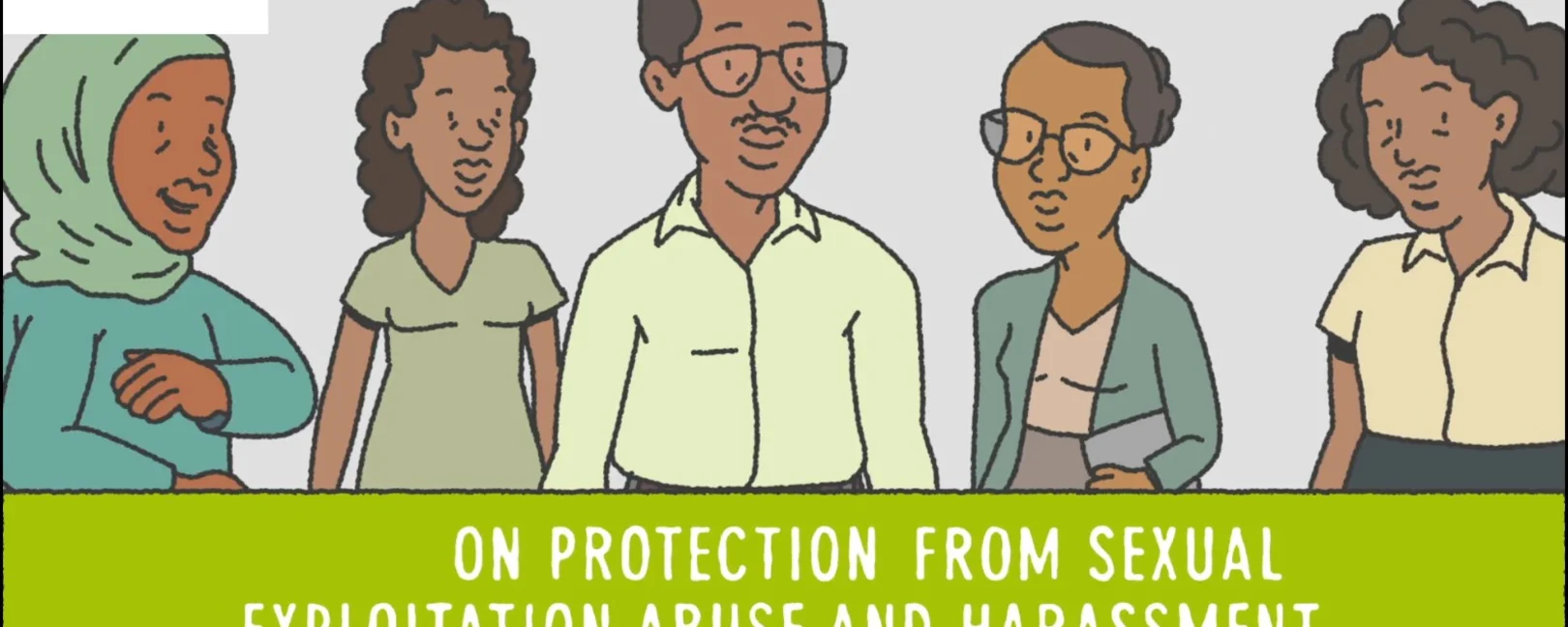
Protection from Sexual Exploitation, Abuse and Harassment (PSEAH)
The Heinrich Böll Foundation is committed to respect, safety and dignity for everyone connected to its work. We have zero tolerance for sexual exploitation, sexual abuse, sexual harassment and sexualised violence, in our workplace and in our partnerships alike.
Our approach
Our PSEAH policy rests on a few principles. We put survivors first, which means their safety, needs and wishes guide how we respond. We handle every case confidentially. We work to do no harm, and we hold both individuals and the organisation accountable for what they do and for what they fail to do.
Who does the policy apply to?
The policy covers our own working environment as well as the people and organisations we work with, including:
- Foundation employees, including staff in international offices
- board members
- temporary staff, interns and volunteers
- local and international consultants
- suppliers and contractors
- partner organisations and their employees
- scholarship holders
- external organisations and individuals working with the Foundation
- people and organisations party to agreements on Foundation grants or other benefits
Wherever people meet through our work, the Foundation is responsible for addressing misconduct that falls within the policy, even when those involved are not Foundation employees.
Why this matters?
Our work often involves differences in power, access and resources. Staff and partner organisations can influence who receives a grant, a service or an opportunity, and that influence can leave people open to abuse of power or trust.
Preventing misconduct is a shared responsibility. It reaches beyond the office to our relationships with partners, consultants, programme participants and everyone else connected to our work. Anyone who works with or represents the Foundation is expected to use their position responsibly and to help make it safe to raise concerns.
What the terms mean
Sexual exploitation is the actual or attempted abuse of someone's vulnerability, unequal power or trust for sexual purposes. It also includes gaining financial, social or political benefit from another person's exploitation. The Foundation prohibits exchanging money, employment, goods, services, assistance or grants for sex or sexual favours, particularly where the power between the people involved is unequal.
Sexual abuse is an actual or threatened physical intrusion of a sexual nature, whether by force or under unequal or coercive conditions.
Sexual harassment is unwanted verbal, non-verbal or physical conduct of a sexual or gender-related nature that violates a person's dignity, especially when it creates an intimidating, hostile, degrading, humiliating or offensive environment. It can happen in the workplace or in other settings connected to our work.
Raising a concern
If you have experienced, witnessed or suspect sexual exploitation, abuse or harassment connected to the Foundation's work, please report it. You can do so verbally to the PSEAH or Gender Focal Point or in writing through email below.
Email: pseah@ke.boell.org
You do not need to investigate or gather evidence first. The policy asks people with concerns or suspicions not to investigate on their own. If you are unsure whether something falls under PSEAH, report it anyway, and we will help work out the next step
A designated point of contact supporting awareness, accessible reporting and appropriate referral of PSEAH concerns within the HBF Nairobi office and its programme/partner environment, while maintaining confidentiality and ensuring that concerns are handled through the appropriate HBF case-management mechanisms rather than investigated informally.
What happens after a report?
Reports go first to the PSEAH Focal Point, who passes them to the case management team. If a case can't be resolved internally, it is escalated to the PSEAH Coordinator at headquarters.
Every report is handled confidentially. Intimidation or retaliation against anyone involved, whether the person affected, a complainant, a whistleblower or a witness, is strictly prohibited. Throughout the process, we put the survivor's safety, needs, and wishes first, and make sure they receive appropriate support.
If misconduct is confirmed, we take disciplinary action. Where it is appropriate, external parties such as local authorities may be brought in.
Working with partners
PSEAH is part of how we work with partner organisations. The policy is attached as an annex to our cooperation agreements, and we share information on training and awareness materials with partners.
The same reporting channels apply when a concern involves a partner organisation. If the partner has a stronger mechanism for dealing with such cases, it may handle the matter under its own protocol. If not, they may apply the Foundation's PSEAH protocol. Where a partner's personnel are found to have committed misconduct, the Foundation follows its own complaints procedure. If the partner then fails to act appropriately, the Foundation must take corrective measures, including ending the cooperation agreement.
Dignity, confidentiality and safety are protected for everyone involved, and partner organisations are expected to strengthen their own protection measures.
Everyone's responsibility
The Foundation expects everyone associated with its work to uphold respect, dignity and the responsible use of power. Management carries particular responsibility for supporting the systems that prevent misconduct and make the policy work in practice.
If you have a concern, please speak up. Reporting helps protect you and others.
Report a PSEAH concern: pseah@ke.boell.org
Download the Heinrich Böll Foundation PSEAH Policy here
A designated point of contact supporting awareness, accessible reporting and appropriate referral of PSEAH concerns within the HBF Nairobi office and its programme/partner environment, while maintaining confidentiality and ensuring that concerns are handled through the appropriate HBF case-management mechanisms rather than investigated informally.PSEAH Focal Point