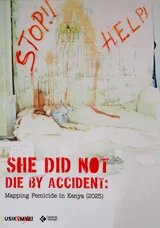
The Maskan II exhibition is accompanied by a handbook that provides context for the work, guiding audiences through the stories, themes and artistic choices behind each installation. It documents the thinking behind the artworks while helping audiences engage more deeply with the wider social and institutional conditions surrounding femicide and the disappearance of children in Kenya. At its heart, the handbook seeks to ensure that those affected are remembered as people — with names, relationships, dreams and unfinished futures — rather than reduced to statistics or headlines.
At least 220 women and girls were killed in Kenya in 2025, most by people they trusted, and often after seeking help. The Femicide Report 2025 shows that these deaths were not accidents but the result of ignored warning signs, social silence, and systemic failure. Ending femicide requires naming it, tracking it, and acting decisively to protect women before violence becomes fatal.
How safe is the food on our plates?
Research by the Kenya Organic Agriculture Network (KOAN), in partnership with the University of Nairobi, Route to Food Initiative, a programme of Heinrich Böll Foundation, and the Swedish Society for Nature Conservation, examined pesticide residues in vegetables commonly consumed in Kenya and offers fresh evidence on the state of food safety and practical household methods that can help reduce pesticide residues before consumption.
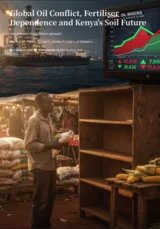
This dossier shows how disruptions in oil markets ripple through fertiliser supply chains and into agriculture, increasing production costs and exposing countries like Kenya to global instability. Because most synthetic fertilisers are derived from fossil fuels and imported, Kenya’s farming systems remain tightly linked to energy markets and geopolitical dynamics.